
Natural Disaster/Storm Safety Tips that Maintain Commercial Properties: Pre, During, and Post
Natural Disaster/Storm Safety Tips that Maintain Commercial Properties: Pre, During, and Post
By Tom Nelson | 07.02.24
Service providers play a crucial role in ensuring the safety and operational continuity of commercial properties before, during, and after natural disasters. Proper preparation, responsive action during the event, and strategic recovery efforts are essential for minimizing damage and ensuring swift restoration of services. This article outlines key safety tips for service providers involved in maintaining commercial properties.
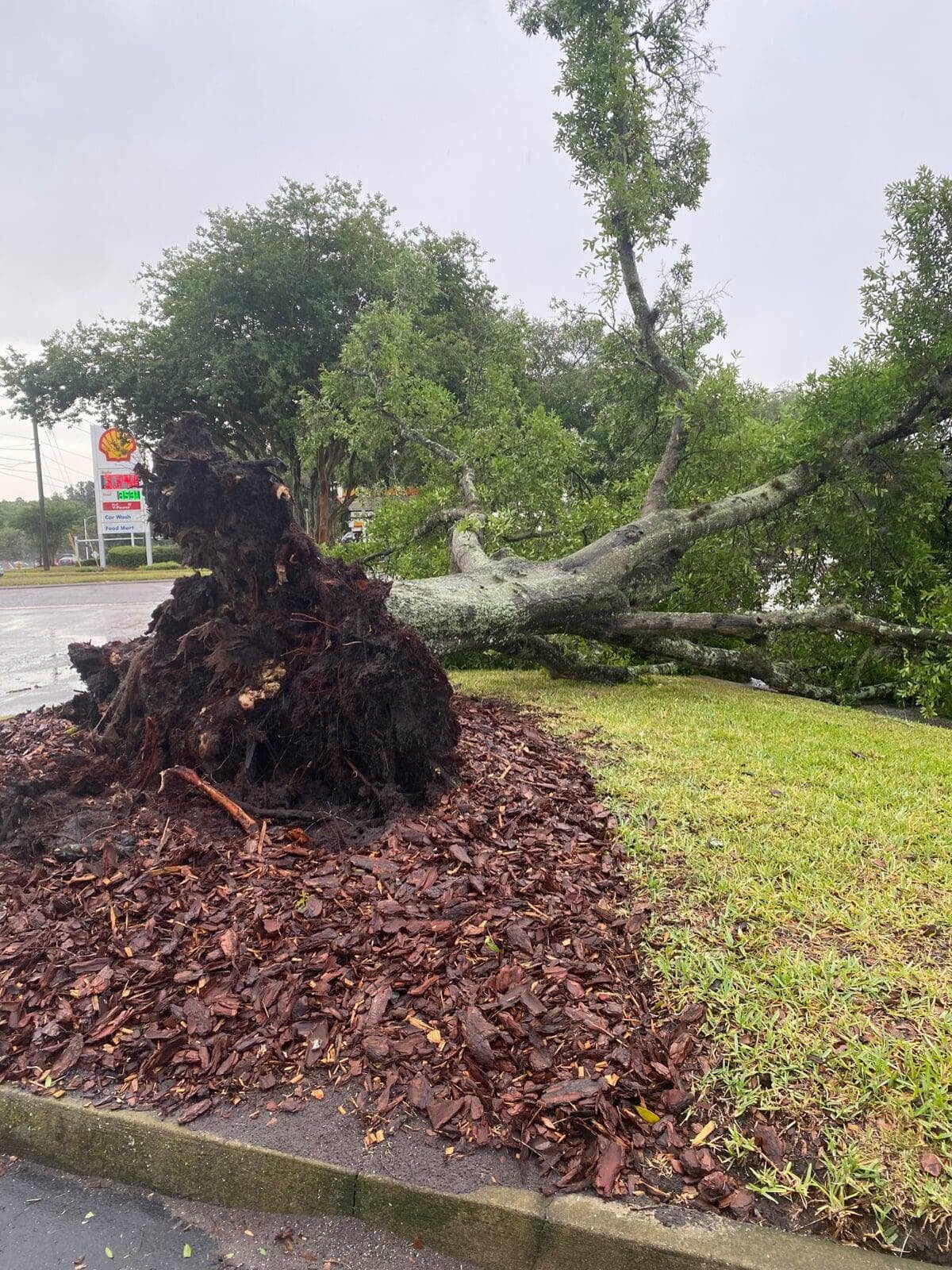
Pre-Disaster Preparation
1. Develop Comprehensive Emergency Plans
- Risk Assessment: Evaluate the specific risks associated with the commercial properties you maintain, considering factors such as location and building structure.
- Customized Emergency Plans: Create tailored emergency plans for each property, including evacuation routes, shelter-in-place protocols, and communication strategies.
- Employee Training: Train all service personnel on emergency procedures, equipment usage, and first aid.
2. Prepare Emergency Kits
- Basic Supplies: Ensure each site has emergency kits with water, non-perishable food, first aid supplies, flashlights, batteries, and essential tools.
- Specialized Equipment: Include any specialized equipment required for property maintenance, such as tarps, ropes, and utility tools.
3. Secure the Properties
- Preventative Maintenance: Conduct regular inspections and maintenance to ensure structural integrity and address vulnerabilities.
- Storm Protection Measures: Install storm shutters, reinforce doors, and use barriers to protect against flooding. Secure outdoor equipment and furniture.
- Utility Safety: Familiarize yourself with the location of utility shut-offs and ensure they are accessible.
4. Establish Communication Channels
- Emergency Contacts: Maintain updated contact lists for property owners, emergency services, and key personnel.
- Communication Plans: Develop robust communication plans to keep property owners and tenants informed before, during, and after a disaster.
5. Backup Systems and Data
- Power Backup:Ensure generators are installed, regularly tested, and maintained at critical properties.
- Data Protection:Implement data backup systems for critical information related to property maintenance and client records.
During the Disaster
1. Monitor and Respond
- Real-Time Updates: Continuously monitor weather updates and emergency instructions from reliable sources.
- Emergency Broadcasts: Use NOAA Weather Radio or local news for real-time information.
- Evacuation: Assist with evacuation procedures if an order is issued, ensuring all personnel and occupants follow designated routes.
- Shelter in Place: If sheltering in place, move to secure interior rooms away from windows and ensure all safety measures are in place.
- Check-Ins: Regularly check in with property owners, tenants, and service personnel to ensure safety and provide updates.
- Emergency Services: Maintain open lines of communication with local emergency services and authorities.
- Shut Down Non-Essential Systems: Safely shut down non-essential systems and equipment to prevent damage.
- Data Security: Ensure data backup systems are operational and critical information is secure.
- Wait for Clearance: Do not return to properties until local authorities declare them safe.
- Hazard Identification: Conduct thorough inspections for structural damage, gas leaks, electrical hazards, and other potential damages.
- First Aid: Provide first aid to any injured individuals and seek medical attention if necessary.
- Sanitation: Ensure access to clean water and sanitation facilities to prevent health risks.
- Photographic Evidence: Take detailed photos of all damage for insurance purposes and disaster assistance.
- Inventory: Create an inventory of damaged property and equipment.
- Insurance Claims: Assist property owners in contacting their insurance providers to file claims and begin the recovery process.
- Disaster Assistance: Seek support from local, state, or federal agencies such as FEMA for additional recovery resources.
- Temporary Operations: Set up temporary operations if necessary to maintain business continuity.
- Recovery Plan: Implement recovery plans to restore properties to operational status as quickly as possible.
- Counseling Services: Offer access to counseling and support services for employees affected by the disaster.
- Communication: Keep employees informed about recovery efforts and timelines for returning to work.
Service providers play a vital role in maintaining the safety and operational continuity of commercial properties during natural disasters. By following these pre, during, and post-disaster safety tips, service providers can enhance their preparedness, protect property and personnel, and ensure a swift and effective recovery. Staying informed, having detailed emergency plans, and taking prompt, coordinated action are crucial steps in safeguarding commercial properties against natural disasters.